
search
Tag

BA Psychology Admission in Bangalore

Best UG College in Bangalore

How emotional intelligence affects leadership effectiveness

By General, Psychology

These days, emotional intelligence (EI) has become highly critical to defining leadership effectiveness in the workplace. Unlike technical skill or position power, EI is about understanding, managing, and using emotions to build stronger relationship, manage conflict, and make better decision. Leaders with high emotional intelligence establish an environment where trust and collaboration flourish for lasting organizational success.

Self-awareness—one of the important elements of Emotional Intelligence (EI)—enables leaders to recognize their emotional triggers and how these influence their actions. Leaders make decisions based on their awareness of their own strengths and weaknesses. Self-regulation, which comes with self-awareness, controls the way leaders act and stay after even under pressure. It helps to trust each other because they are calm and consistent.

Having empathy is another component of emotional intelligence. Empathy means having the ability to identify with and understand another person’s feelings and experiences. Leaders who have empathy promote deep relationships and build a culture of psychological safety by which their members feel heard. It enhances communication, which increases the engagement and satisfaction at the work of the employees.

Communicating effectively, resolving conflict, and working together are social skills that are part of emotional intelligence. These skills help leaders influence the behavior of others while working towards common goals. In addition, leaders with emotional intelligence know people’s strengths and align them with the organizational goals to build teams.

Studies show organizations with leaders displaying emotional intelligence experience lower turnover, better morale, and higher overall performance. With growing diversity in the workplace, what will help leaders tackle challenges and embrace opportunities for growth is EI.

As companies keep changing, EI is becoming increasingly valuable in leadership today. By working on their emotional intelligence, leaders can gain effectiveness and create an organization that thrives, which is crucial for success. In today’s world, emotional intelligence is the essential quality that makes a leader effective and adaptable at work.

MSc Psychology in Bangalore

Impact of Cultural Differences on Psychology

By General, Psychology

Culture plays a vital role in shaping human psychology, thus creating behavioral, cognitive, or emotional differences among individuals. Psychology, embracing this global perspective, needs to understand the effect of culture on mental processes.

Culture offers the context by which individuals view their world. It defines the values, beliefs, and norms that will guide all actions. For instance, in many parts of Asia, collectivist cultures place emphasis on group harmony, family ties, and community welfare. In contrast, individualistic cultures in Western countries focus on personal achievement, independence, and self-expression. The cultural context will influence approaches to problem-solving, communication, and emotional regulation. People from collectivist cultures tend to suppress personal desires for the sake of group harmony, while those from individualistic cultures tend to prioritize personal fulfillment.

Culture also plays a part in mental illness. Conceptions of mental disorders and their signs also vary between cultures. In a way, where Western cultures can pathologize mental health illnesses, others place the etiology on spiritual and social planes. For example, where emotional displays are considered improper, depression could be portrayed in terms of bodily distress such as headache or general weakness. In such instances, diagnostic and treatment procedures have to be culture specific.

Cross-cultural psychology, which would explain the nuances of such variance, cautions against ethnocentrism when it comes to psychological science. Most of psychology’s research has been undertaken in WEIRD societies; therefore, theories devised from such works cannot be quite universally applicable, and Maslow’s hierarchy of needs may hardly strike a cord in a place that puts community and dependency over self-realization.

Cultural competence is essential for effective psychological practice. Psychologists and researchers must consider clients’ backgrounds, including language, culture, traditions, and societal values. This understanding fosters trust and improves treatment outcomes, minimizing misdiagnosis.

In an interconnected world, the acknowledgment and respect of cultural differences are very important for advancing psychological research and practice. By embracing diversity, psychologists can develop inclusive frameworks that ensure equitable and accessible mental health care for all. Culture is not just a backdrop; it is a central element shaping human experience, and recognition of this is key to understanding the complexities of the human mind.

BA Psychology Admission in Bangalore

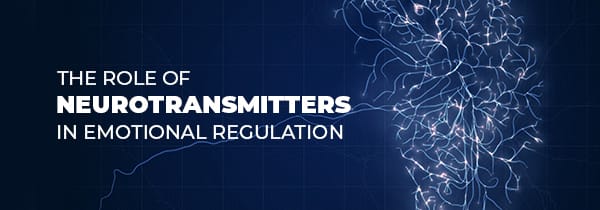
THE ROLE OF NEUROTRANSMITTER IN EMOTIONAL REGULATION

By General, Psychology

Regulating or controlling emotions is important in survival; a lack of emotion regulation has an effect on both psychological and physical well-being, which can lead to anxiety, sadness, depression, stress, poor interpersonal relationships, and also in professional failure. Neurotransmitters play an important role in regulating emotions.

A neurotransmitter is a bodily chemical messenger that transmits signals between the neurons, glands, and muscles. Through inhibitory and excitatory neural activation, the neurotransmitter is released from a neuron to the presynaptic cleft and diffuses to the postsynaptic cleft. Postsynaptic neurons receive the signal and respond. Neurotransmitters have various roles along with mood regulation and reaction. Different neurotransmitters and their variety of roles not only play an individual’s emotion regulation but also a balanced interaction of multiple neurotransmitters. 

Serotonin, known as a pleasure neurotransmitter, plays an effective role in regulating mood, appetite, anxiety, and sleep. Irritability, depression, and anxiety are associated with low levels of serotonin in neurons. Antidepressants work by increasing the serotonin level in the brain to regulate the emotions. 

Dopamine is related to fear, anger, rewards, and feelings of pleasure. A high level of dopamine in the brain leads to schizophrenia. Dopamine often works with serotonin to balance emotions and play an important role in motivation. 

Gamma-aminobutyric acid helps to reduce anxiety and enhance relaxation. Low levels of GABA activity lead to insomnia and anxiety disorders. Glutamate is another neurotransmitter that regulates overall brain functions like learning and memory. The excess level of glutamate activity can lead to depression and other mood-related disorders. Both maintain a balance between excitation and relaxation. 

Endorphins are neurotransmitters known as natural painkillers that contribute to a sense of happiness and psychological well-being and are released during laughter and exercise. 

Norepinephrine contributes to regulating arousal, alertness, and attention. Has played both hormone and neurotransmitter messengers. Lack of norepinephrine is associated with symptoms like depression. 

Neurotransmitters play a pivotal role in defining the intrinsic process of emotion regulation. Each neurotransmitter conveys a supreme role, from serotonin’s stabilizing effect on mood to GABA’s relaxing properties and the effects of dopamine on motivation and reward. Ongoing advanced study and neuroscience research continue to uncover exclusive biochemical pathways, which can lead to innovative treatments and therapies to enhance emotional well-being. 

Close Menu
Privacy Overview

The ST PAULS COLLEGE Website uses cookies so that we can provide you with the best user experience possible. Cookie information is stored in your browser and performs functions such as recognising you when you return to our website and helping our team to understand which sections of the website you find most interesting and useful.

Read more about our Privacy Policy here