
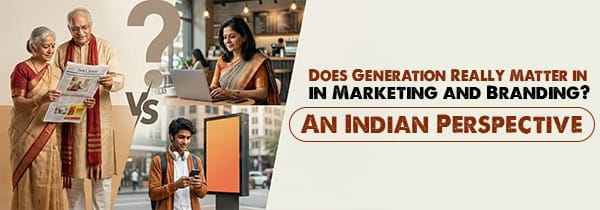
From a marketing and brand communication lens, generational differences do matter, but not in isolation. What truly shapes buying behavior today is the intersection of age, life stage, values, and media habits. In India’s diverse consumer landscape, brands that recognize this layered reality tend to communicate more effectively.
Here at ST PAULS COLLEGE, we believe that true communication is possible only through the amalgamation of ideologies from various generations. We believe in nurturing new ideologies from the newer generations as well as upholding the traditional values of the older generations. We believe that true knowledge seeking is possible when various age groups, their life experiences, and belief systems are acknowledged and accounted for.
Traditional, trust-led brands like Parle-G and Amul demonstrate how strong brand fundamentals transcend generations. Parle-G continues to be consumed by children, parents, and grandparents alike because of consistent pricing, deep rural–urban penetration, and messaging rooted in nourishment and trust. Amul’s long-running topical advertising connects equally with older readers of print media and younger audiences who encounter these creatives on social platforms, proof that relevance can be refreshed without abandoning the “core identity.”
At the same time, generational targeting has become critical for newer communication goals. Campaigns like Tata Tea Jaago Re deliberately spoke to urban youth by aligning the brand with civic responsibility, voting awareness, and social consciousness. This marked a shift from functional product messaging to values-based storytelling, an approach shown to resonate strongly with younger consumers, particularly Gen Z and millennials.
Research by McKinsey and Kantar consistently shows that younger Indian consumers are digital-first, sceptical of overt advertising, and drawn to authenticity, inclusivity, and purpose. Older consumers, meanwhile, continue to prioritize reliability, familiarity, and value-for-money.
The takeaway for Indian marketers is clear: generations do matter, but smart branding goes beyond age labels. The most effective strategies blend timeless brand trust with adaptive communication styles that reflect evolving values, platforms, and cultural conversations.
References
- McKinsey & Company (2020). The new Indian consumer.
- Kantar India (2022). Understanding Gen Z in India.
- Amul Official Archive – Brand History and Advertising Legacy.
- Tata Consumer Products Ltd. – Jaago Re Campaign Documentation.